


Creativity is not defined by physical strength, it is fueled by imagination. People with limited hand mobility usually think that arts and crafts are something they cannot do but using the correct method, adaptive equipment and thoughtful project choices, can open a new world of self-expression. This manual examines available craft concepts that decrease stress, enhance self-sufficiency and enjoyment, as well as promoting skills and emotional well-being.
Why does crafting matter for limited hand mobility?
Crafting may not be limited to making decorative items. It promotes the development of cognition, fueling memory, boosts self-confidence and gives a feeling of achievement.
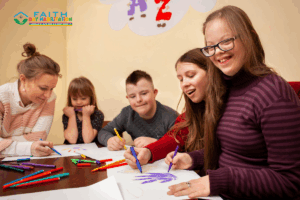
Additionally, using hands even with restricted movement, can strengthen fine motor skills and reduce stress. A variety of occupational therapists in locations such as San Diego, California incorporate organized craft time as part of recovery intervention to children, seniors and adults with limited mobility.
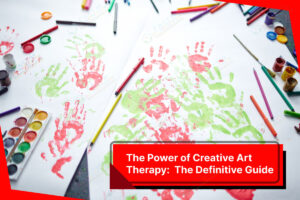
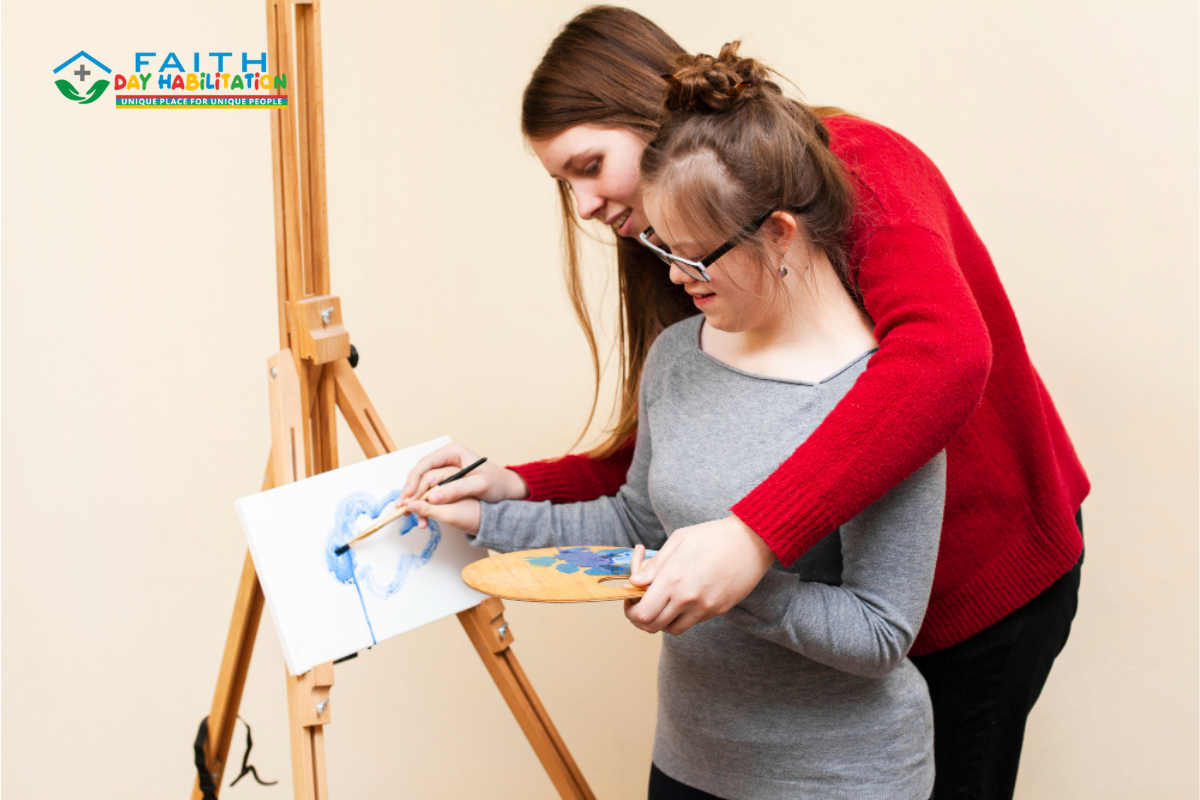
This beautifully reflects the power of creative art and craft therapy, showing how simple creative engagement can heal, empower, and inspire people regardless of physical limitations.
Adaptive tools that make crafting easier
The appropriate tools are everything before any project is initiated:
- Grip-built craft brushes and loop scissors reduce pressure on hand muscles.
- Soft modeling sticks and foam handles provide more surface area for gripping.
- Adhesive dots, velcro strips and slip-resistant mats reduce the need for pinching and precise finger coordination.
- Electric glue guns, automatic pencil sharpeners and easy-squeeze paint bottles can enhance general independence and speed.
Such innovations make them comfortable and accessible without loss of creativity.
Craft ideas that require minimal hand strength
The art of crafting projects is so enjoyable when the choosing is done considering motor skills. These are easy-to-learn concepts that are perfect among the children, adults and older generation:
1. Finger painting with large movements
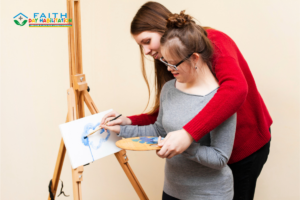
No need for tiny brushes, finger painting encourages free movement. Thick and bright paint on large paper or canvas can be used to show emotions and learn to control the shoulders and arms. Raised frames around the paper help keep paint within boundaries.
2. Bead mosaics instead of fine jewelry work
Traditional beading may be a challenging task, whereas bead mosaics provide a less complex option. Big beads, buttons or cereal loops may be stampeded in soft clay or adhesive boards to form a pattern with colors. Such a technique does not require threading or precision grip.
3. Sponge-stamp canvas prints
Sponge stamps are lightweight and easy to hold, even with limited finger control. The shapes such as stars, hearts, trees and flowers enable the user to produce lovely repeating designs. A short, thick handle added to the sponge provides extra stability.
4. Air-dry clay sculptures
Clay is better when pressured by palm than by fingers which is why it is great when there is limited mobility. Clay is rolled into balls, flattened and used with plastic cookie cutters to create an ornament, bowl or souvenir. Air-dry clay is free of mess and does not need a kiln.
5. Sensory collage posters
A collage is fun, visually stimulating and motor-friendly. The participants are able to stick the fabric swatches, feathers, glitter foam shapes, paper pieces and cotton balls on sticky poster boards without using a glue. This is an exercise of creativity and the exploration of senses.
Instead of using a pair of scissors or a firm grip, the participants would pick their preferred textures and apply them onto pre-stuck boards. The outcome was therapeutic, personal and emotionally motivating.
Social and emotional benefits of accessible crafting
People with limited hand mobility often face frustration when activities feel physically challenging.
Accessible crafting offers:
- Freedom of expression without assistance
- Improved self-esteem and emotional regulation
- Opportunity to bond with family members and caregivers
- Reduced anxiety through calming tactile engagement
The crafting process should not be determined by its accuracy but rather its happiness.
Choosing the best craft depending on ability
Not all people have the same form of mobility restriction, so choosing the right craft depends on needs:
| Challenge | Craft Style |
|---|---|
| Reduced finger strength | Sponge stamping, clay molding |
| Tremors | Large-movement painting, sensory collage |
| Low wrist flexibility | Bead mosaic boards, textured canvas |
| Painful gripping | Adaptive brushes, palm-style rollers |
With careful choice, any individual can find an outlet of creativity that will not be challenging but empowering.
Encouraging exploration and independence
Caregivers, teachers, or rehab professionals can support creativity by:
- Providing options and not delegating tasks.
- Taking breaks to prevent fatigue.
- Celebrating small achievements
- Providing storage trays to keep supplies within easy reach
Most importantly, avoid correcting the work – it is all expression and not perfection.
Conclusion
Crafting is not limited by physical ability but only by the belief that creativity has boundaries. By using adaptive tools, considerate project concepts and supporting environments, individuals with limited hand mobility can experience the therapeutic joy of making art.
Whether painting with fingers, creating clay sculptures or building sensory collages, each creation represents freedom, achievement and identity. Everyone is a creator and no one is left behind as a result of creative tools that are readily available.
Art and craft activities crafted to focus on physical comfort, confidence, and emotional fulfillment can be of great benefit to people with limited hand mobility, ensuring creativity remains accessible to everyone.
FAQs
1. What types of crafts are easiest for people with limited hand mobility?
Large-movement crafts such as finger painting, clay modeling and sponge stamping are typically easiest because they don’t require gripping or fine motor control.
2. Can kids and seniors participate in the same craft activities?
Yes. There are numerous adaptive crafts, which can be done by any age, but they might require supervision and adjustments in materials.
3. Are there specific tools designed for low hand strength?
Yes. Crafting can be made more comfortable and independent with loop scissors, grip enabled brushes and adaptive glue dispensers
4. Can crafting help with physical therapy?
Crafting helps in fine motor skills, hand eye coordination and upper limb movement which is commonly applied by occupational therapists.
5. Where can I find adaptive crafting workshops in the US?
Accessible crafting sessions are frequently run in community centers, disability support groups, libraries and senior-care programs in large cities such as Seattle, San Diego and Chicago.